Skip to content
LeaseSight

LTE sensor hardware

Remote monitoring sensors for oil & gas

LeaseSight's lineup covers the whole lease — tank level, tubing and casing pressure, and the line flow — three sensors reading hourly, carried out over LTE by a gateway a few steps away. Four devices, one app, alerts on your phone.

The lineup

Four devices cover the pad

Tank level, pressure, and flow sensors report through a gateway a few steps away. Everything lands in the same app — right next to your hand-gauged measurements, run tickets, pressure readings, and flow meter readings.

Tank Level Monitor

A sensor that screws into a 2- or 3-inch fitting on top of the tank and reads it to the quarter inch, every hour. Four alert thresholds per tank — low, critical low, high, critical high — so the same sensor watches for a tank running away and a tank running dry.

Mount
2" or 3" top fitting
Reads
¼ in · hourly
Alerts
4 thresholds / tank
Power
2× AA · 6+ months*

Pressure Sensor

Tubing, casing, and injection pressure at the wellhead, with every reading stored — not a daily snapshot. The app shows the 24-hour average and the daily maximum side by side, and each gauge gets its own alert levels, because a number that’s normal on one well is trouble on the next.

Gauges
tubing · casing · injection
Stores
every reading
Shows
daily avg + daily max
Power
2× AA · 6+ months*

Flow Line Monitor

A turbine meter on the flow or injection line, reporting volume hourly. The alert that earns its keep is the no-flow alert: when the meter's reading zeros, that's a push notification within the hour, not a discovery on the next route.

Meter
turbine
Reads
volume · hourly
Alerts
no-flow
Power
2× AA · 6+ months*

Gateway

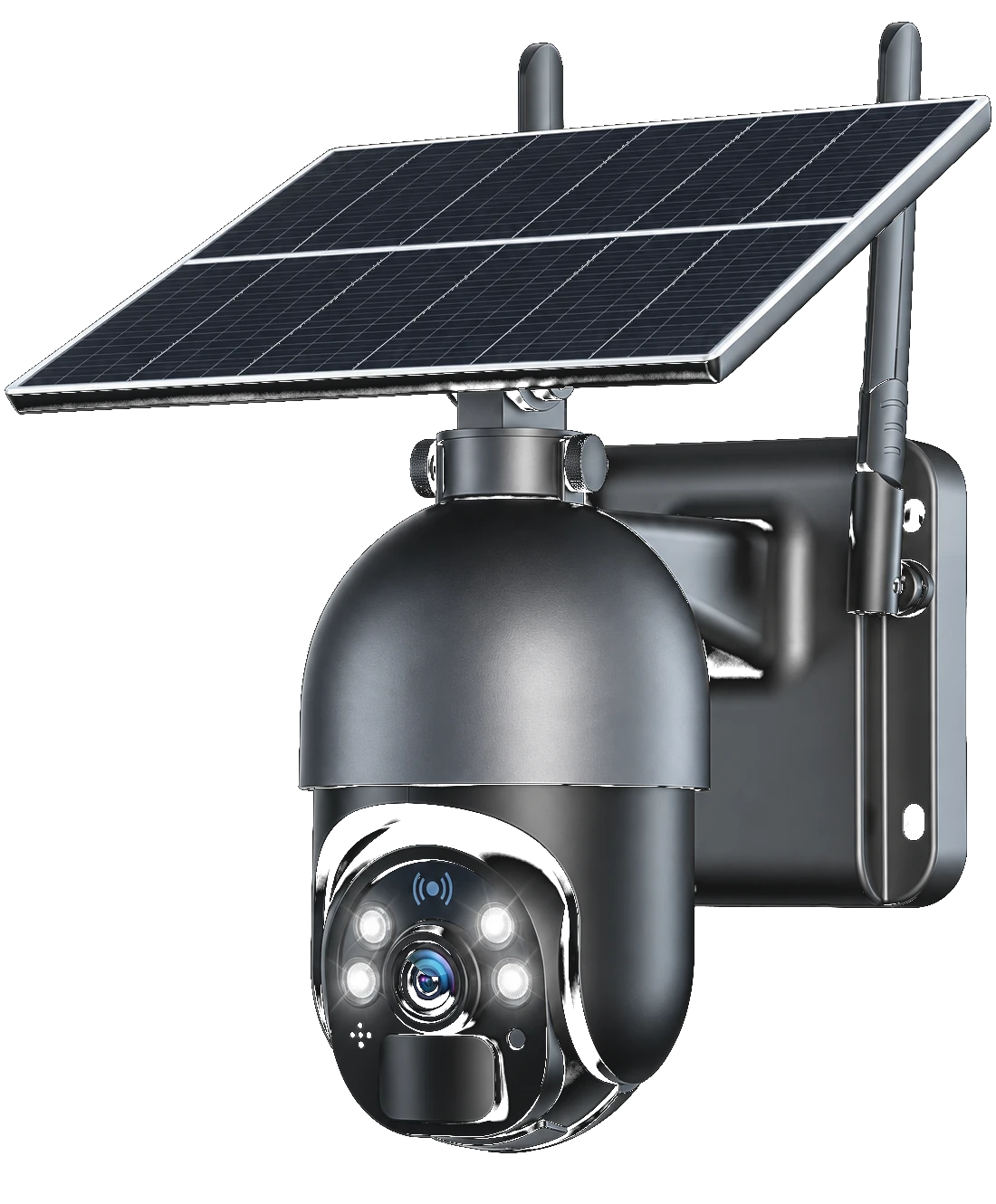
The cellular gateway a cluster of sensors reports through. Sensors sit up to 75 feet from it — which covers most tank batteries from a single spot — and it carries their readings out over LTE. Solar and satellite options handle pads past the end of decent cell service.

Uplink
LTE
Cluster range
up to 75 ft
Remote pads
solar · satellite

6+ months of eyes on two double-As

Every sensor runs on two standard AA batteries — no wiring to run across tanks. The app watches the charge for you, so you can see the life of your battery in real time. A low-battery warning fires at 15% and a critical alert at 5% — when it does, you can run to any store and pick up the batteries you need. A Phillips screwdriver is the only tool you will need to swap them out.

* Battery life varies with temperature and reporting frequency.

Readings & alerts

An alert when it matters

A tank topping out overnight, an injection well that quietly quit, pressure walking up on a well — when a reading crosses one of your thresholds, it’s a push notification on your phone the same hour, not a mess you find on the next route.

Why hourly

An hourly reading catches a filling tank while there's still headspace and a dead line the same morning it dies. Reading more often than that mostly adds noise — and spends battery doing it. Hourly is the point where you find out in time to act, on hardware that keeps working between visits.

Thresholds are yours to set

Four per tank — low, critical low, high, critical high — and alert levels per pressure gauge on every well. You set them up at install — or change any of them from the app whenever the operation changes. And when a threshold is crossed, the alert carries the trend, not just the number: “12 in from top (was 16 an hour ago).”

Alerts arrive as push notifications and live in the app — the chart behind every alert is one tap away, on the same app your whole crew uses.

Alerts land on the lock screen — lease, asset, reading, and the trend, straight to your pocket.

Device health

A dead sensor never just goes quiet

Every device reports its own vitals with every check-in: battery percentage, signal strength, and when it last called home.

Low-battery and missed-check-in alerts are on by default — nothing to configure, nothing to forget. If a sensor stops reporting, the silence itself becomes a push notification, so a monitoring gap is something you fix on the next route, not something you discover after the tank tops out.

Installation

Simple enough to install yourself

These sensors were designed so an operator can install them without a technician — most people are done before the coffee's cold.

  1. 01

    Mount it — a few minutes per unit

    Tank monitors screw into a 2- or 3-inch fitting on top of the tank, pressure sensors on the wellhead, turbine meters in the line, gateway up to 75 feet away. No wiring, no power source, no trenching, no tower — each sensor runs on two standard AA batteries.

  2. 02

    It starts reporting on its own

    Once a sensor is on, it checks in through the gateway and the first reading lands in your app. No pairing ritual, no laptop on the tailgate — if you can tighten fittings, you can install a LeaseSight sensor.

  3. 03

    Set your thresholds from your phone

    Set the four levels on every tank and the alert levels on every pressure gauge yourself — or call us and we'll walk through them with you. First alert lands when a line is crossed.

Rather have it done for you?

Professional installation is available at an hourly rate — we'll come to the lease, install everything, and set your thresholds with you. Contact us to line it up.

Warranty & support

Every monitor and sensor carries a one-year, no-questions-asked warranty, backed by a two-year warranty against manufacturing defects. Responsive support is included at no extra charge — call or text and you get a person who knows your basin, for the normal run of questions and fixes.

Read the full warranty. More install questions are answered in the FAQ.

Field film

See it where it lives

We’re filming the hardware on working leases in the Illinois Basin — from the initial install to the first alert.

Field film — coming soon

Spec the lineup for your leases.

Tell us what's on the lease — tanks, wellheads, injection lines — and we'll spec the sensors, gateways, and thresholds around how you actually operate.

Sales, install, and support are local to the Illinois Basin. Other basins are opening soon.